Dreaming of saying “I do” in Italy? Beautiful, and very doable. But the paperwork for a legally valid wedding here trips up most couples planning from abroad. Here's the honest, jargon-free version.
Civil, religious or symbolic: what's actually legal
A civil ceremony is legally binding and performed by an Italian official, the cleanest route for most foreign couples. A religious ceremony can also carry legal value, but adds requirements from the church. A symbolic ceremony carries no legal weight: many couples marry legally at home, then celebrate with a symbolic ceremony in Italy, free of Italian bureaucracy. There's no single right choice, it depends on your nationality, faith and how much paperwork you want to handle.
The core documents
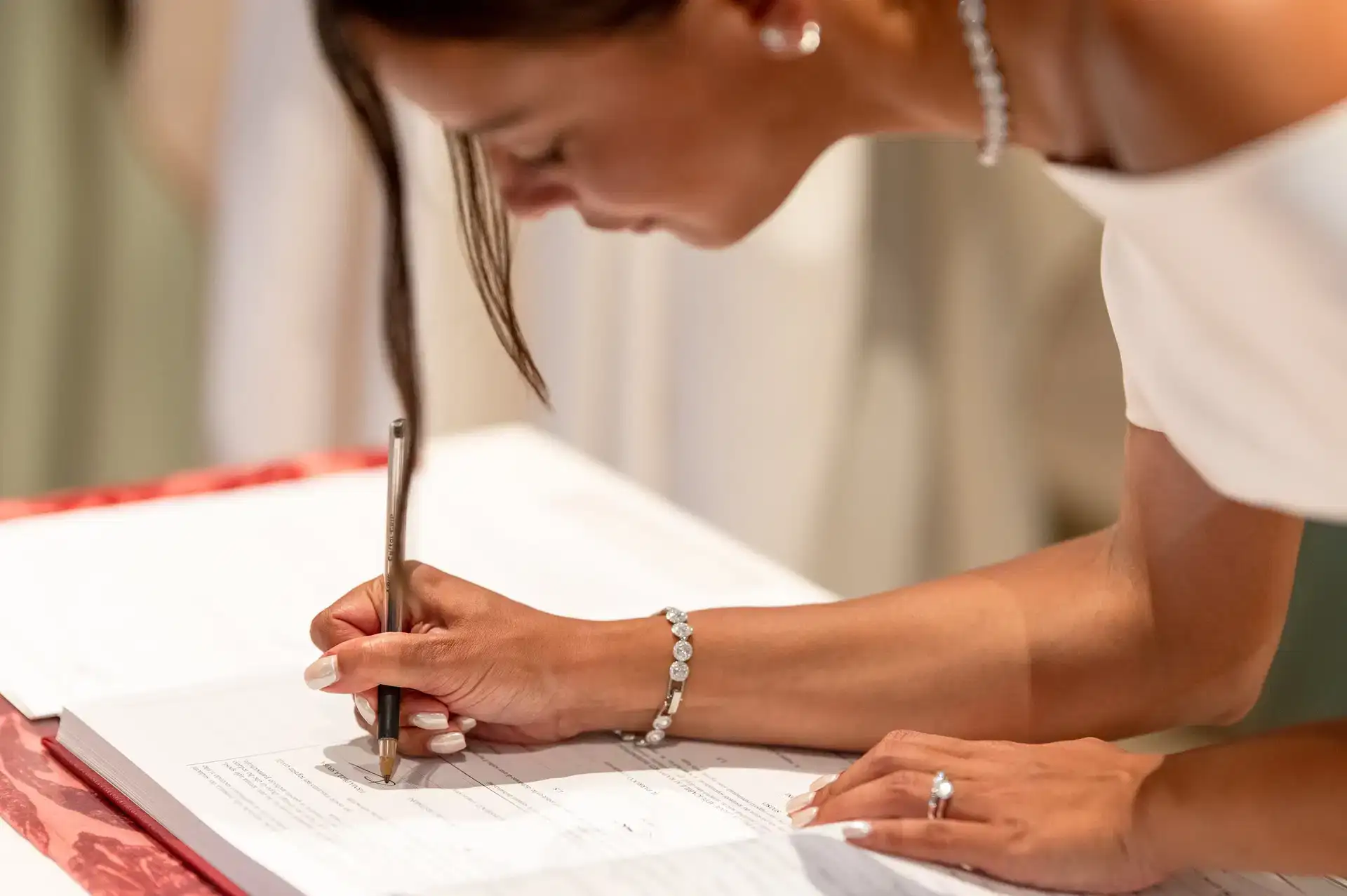
Requirements vary by your country of residence, but almost everyone needs valid passports, birth certificates and a Nulla Osta, a sworn declaration that there's no impediment to your marriage, usually issued by your embassy or consulate in Italy and then legalised. Some nationalities also need an Atto Notorio or an Apostille. Documents must be recent, correctly translated and legalised, and the order in which you obtain them matters.
Timing: start earlier than you think
The ceremony itself is quick; the paperwork is not. I recommend beginning the legal process three to six months ahead, because consulate appointments and document legalisation move on their own schedule, not yours.
Where I come in
This is exactly the part couples don't want to manage from another country, and the part I handle every season. I coordinate the documents, the comune, the officiant and the translations, so the legal side is simply done, and you arrive in Italy to celebrate, not to queue at an office.
Planning a wedding in Tuscany or elsewhere in Italy? Book a free call and let's map out your day, paperwork included.