When couples start planning their wedding in Tuscany, they often have a very clear picture of the setting.
A beautiful garden overlooking the hills, a historic Italian town hall, or perhaps a little countryside church.
But before falling in love with a particular place, there's an important question worth asking:
What kind of ceremony do you actually want, and what does that choice mean to you?
Three different ceremonies, three different experiences
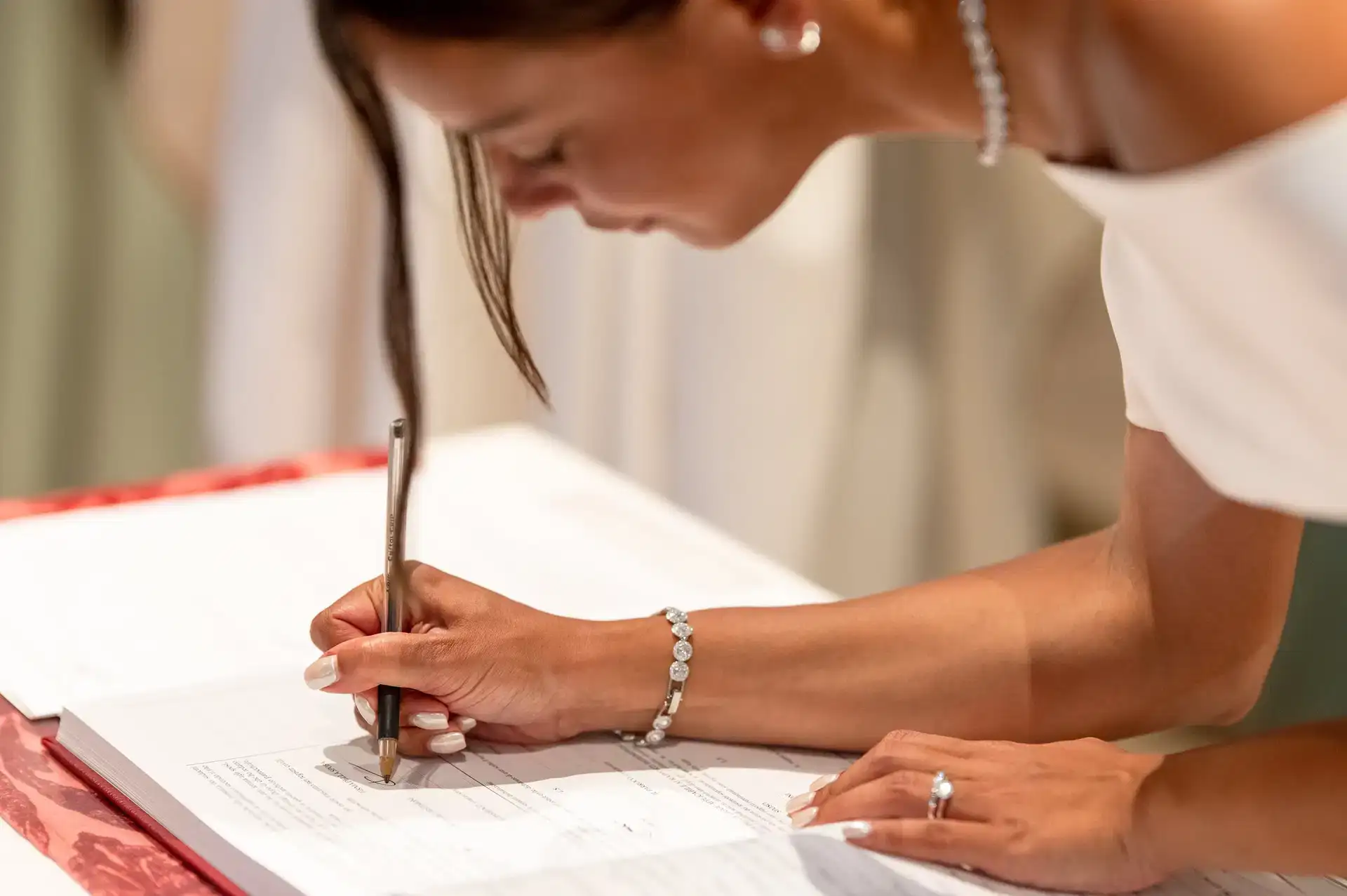
A civil ceremony is legally binding and performed by an authorised official, usually at a town hall or another location officially approved for civil marriages.
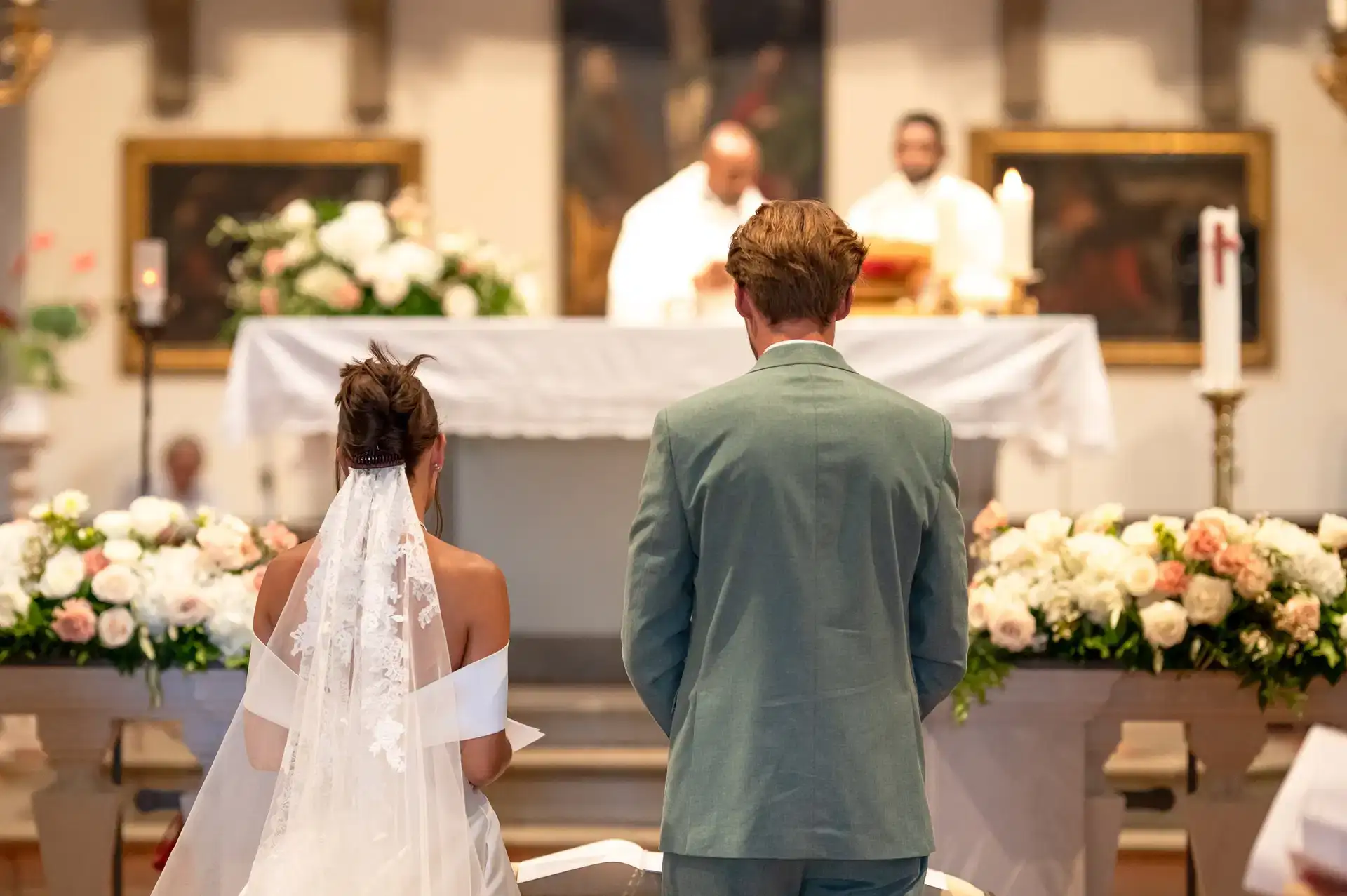
A religious ceremony follows the traditions and requirements of the relevant religious community. A Catholic wedding, for example, can also be legally recognised in Italy when the necessary conditions and formalities are met.
A symbolic ceremony has no legal effect, but offers greater freedom to personalise the celebration, from your vows and readings to the setting and the people involved.
Many international couples choose to complete the legal formalities at home and celebrate with a symbolic ceremony in Tuscany.
And something I always like to remind my couples is that a symbolic ceremony isn't any less meaningful simply because it isn't legally binding.
The emotions, the promises, and the memories are just as real.
Getting married in an Italian church takes time, not necessarily difficulty
If you're dreaming of a religious wedding in Italy, don't be discouraged by the paperwork.
The process isn't necessarily complicated, but it can be lengthy and, let's be honest, a little tedious!
There may be documents to collect, forms to complete, signatures to obtain, and several steps involving your local parish and the Italian church where you'd like to marry.
Depending on your circumstances, some documents and permissions may also need to pass through the relevant dioceses.
It's not something to leave until the last minute, but with enough time, patience, and the right guidance, the process can be much more manageable than it first appears.
And sometimes, having someone here in Italy who can speak directly with the parish priest and help clarify the requirements makes a real difference.
Allisa & Paul: when the ceremony changes the whole day
I remember Allisa and Paul, who initially dreamed of getting married in a church in Florence.
It was a beautiful idea, but as we started working through their wedding-day timeline, we realised it wasn't quite as straightforward as it seemed.
Travelling into Florence for the ceremony and then returning to their wedding venue would have meant additional transportation, extra services, and extended working hours for some of the professionals involved.
And then there was Florence itself.
As beautiful as the city is, traffic, restricted access, parking difficulties, and the possibility of guests or drivers taking a wrong turn could easily have caused delays.
With the rest of their wedding day already carefully planned, a ceremony in the city would have required significant changes.
But there was another important aspect to consider: how much did having a religious ceremony actually matter to them?
For Allisa and Paul, faith wasn't a central part of their relationship, and getting married in church wasn't something they felt they absolutely needed.
If a religious ceremony had been deeply important to them, we would have looked at ways to reorganise the day around that priority. But since it wasn't, we could explore alternatives without compromising something truly meaningful to them.
They eventually chose a symbolic ceremony directly at their wedding venue.
No complicated transfers, no rushing between locations, and no worrying about whether everyone would arrive on time.
Their guests could relax, enjoy the setting, and be fully present for a genuinely emotional exchange of promises.
And that's what made the difference.
Don't choose your ceremony just because of the setting
This is probably the most important advice I'd give you.
There's absolutely nothing wrong with falling in love with a beautiful little church in the Tuscan countryside and dreaming of getting married there!
But before making your decision, I'd encourage you to think about what that ceremony really means to you.
Is it the church itself that you've fallen in love with? Does your faith play an important role in your relationship? Is being legally married on that particular day essential to you? Or would you prefer the freedom to create a personal ceremony, with your own vows and the people you love?
There's no right or wrong answer.
And if getting married in that particular church is truly important to you, then let's explore what's possible and how we can organise the rest of the day around it.
But if you're drawn mainly to the atmosphere or the beauty of the setting, there might be other ways to create an equally meaningful experience, perhaps with fewer restrictions and more flexibility.
That's exactly what happened with Allisa and Paul.
My job isn't to tell you which ceremony you should choose. It's to help you understand what each option involves, what it means for the rest of your wedding, and how we can make it work around your priorities.
Because sometimes the right decision means adapting the plans to your dream. And sometimes it means discovering an alternative you hadn't considered.
Book a free call and let's talk about your plans.